These third conditional examples show how English talks about things that didn’t happen and the results that never followed. “If I had known, I would have told you” is the classic pattern: a past situation that can’t be changed, paired with a regret, a judgment, or a thought experiment about the outcome that might have been.
The structure is fixed and easy to learn, but it has more range than most people realize. This guide covers the formula, the building blocks, the most common uses (regret, blame, relief, and historical speculation), the variations with modals and continuous forms, the formal inversion, and the mistakes that trip up even fluent speakers. It ends with 20 practice items and answers.
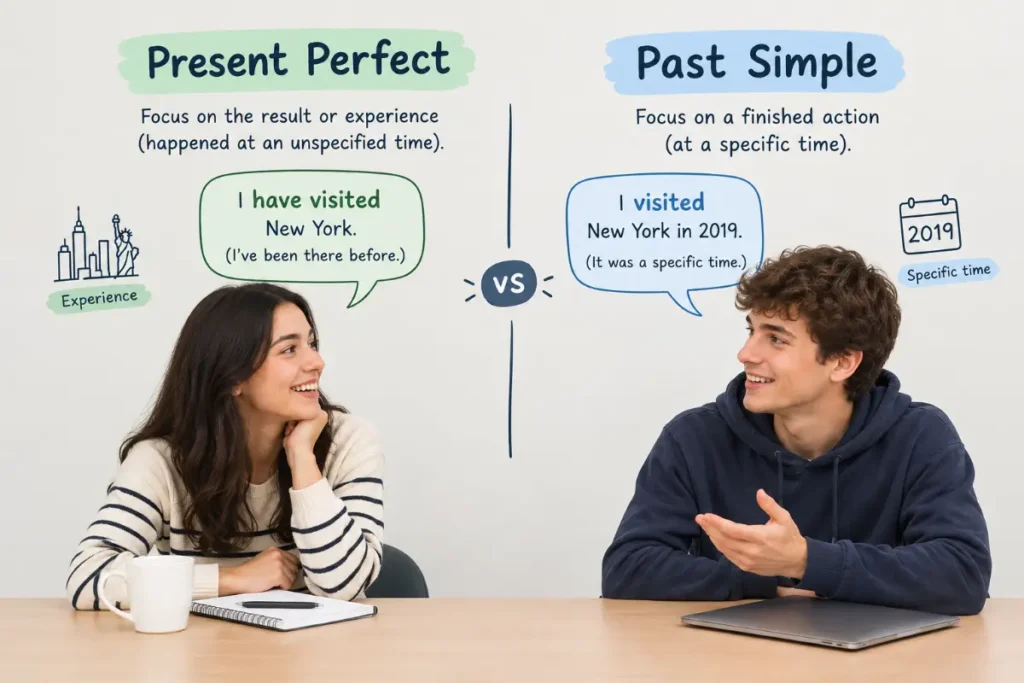
You may also find Present Perfect vs Past Simple: 9 Key Differences (2026 Guide) helpful if you want to explore this topic further.
The Formula
If + past perfect, would have + past participle
- If I had known, I would have told you.
- If she had studied, she would have passed.
- If we had left earlier, we wouldn’t have missed the train.
The British Council’s LearnEnglish page on third and mixed conditionals describes the third conditional as a way to imagine a different past, which is exactly what every sentence above does. The “if” clause names something that didn’t happen, and the result clause describes what would have happened if it had.

Building Blocks: What You Need to Form It
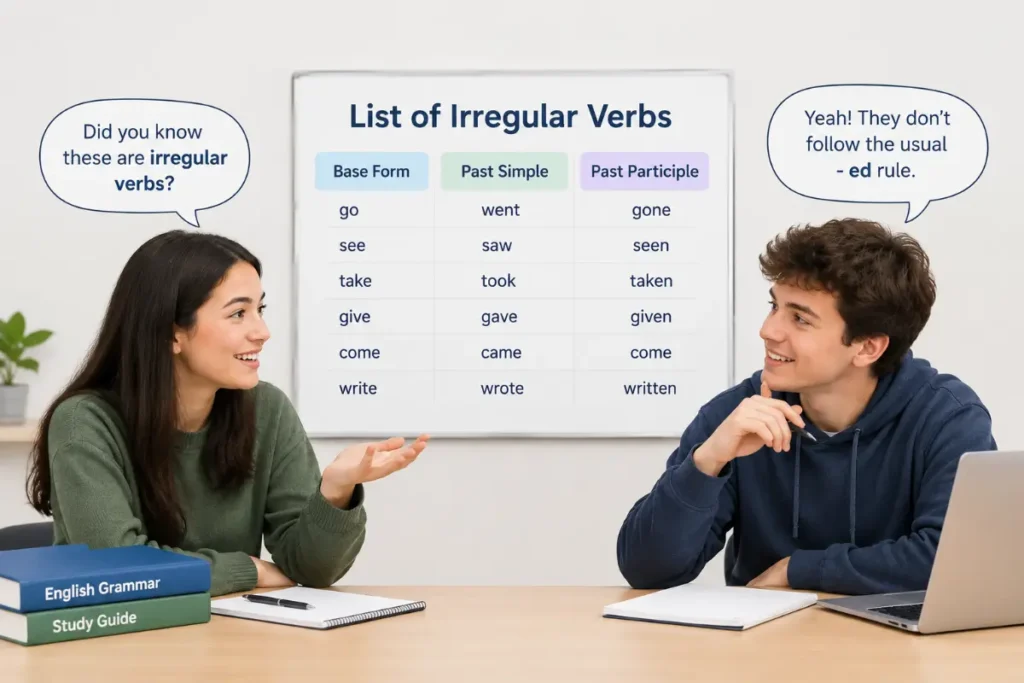
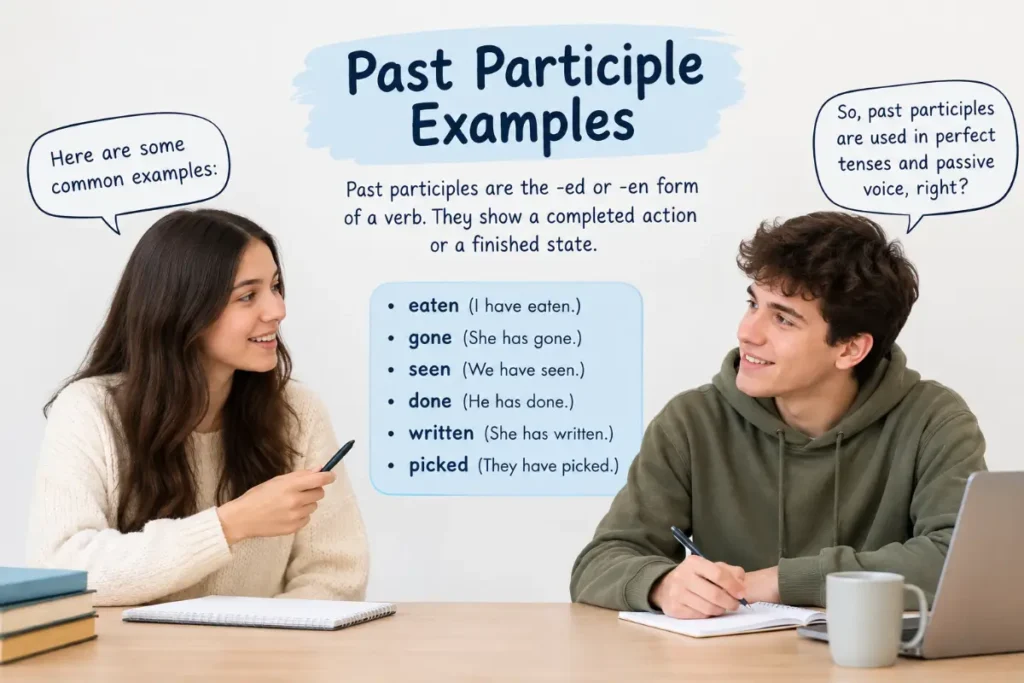
The past perfect is “had” plus a past participle. “Had” never changes, whatever the subject: I had, she had, they had. Regular verbs add -ed (worked, called), while irregular verbs have their own participles (gone, seen, taken, written, begun).
“Would have” plus a past participle forms the result: would have gone, would have seen, would have taken. Learners often forget that the participle, not the simple past, follows “would have.” She would have went is wrong; she would have gone is right.
The contraction trap: ‘d can mean “had” or “would.” After “if,” it’s “had” (If I’d known). Before “have,” it’s “would” (I’d have told you). Context makes the difference clear.
Use 1: Regret
The most common job of the third conditional is expressing regret about a past choice or event.
- If I had taken that job, I would have moved to Chicago.
- If we had saved more, we would have bought the house.
- If she had apologized sooner, they would still be friends. (this last one slides into mixed territory, covered in our guide to mixed conditionals explained)
The speaker is looking back at a path not taken and imagining where it would have led.
Use 2: Criticism and Blame
The same structure can criticize someone else, sometimes sharply.
- If you had listened to the instructions, the machine wouldn’t have broken.
- If he had checked the numbers, he would have caught the error.
- If they had asked for help, we would have given it.
Because the tone can feel accusatory, many speakers soften these sentences with phrases like “I’m just saying” or use a gentler framing: It might have helped if we had checked the numbers.
Use 3: Relief and Near Misses
Third conditionals are also perfect for describing something bad that almost happened.
- If I had missed that call, I would have lost the contract.
- If the car had been going any faster, we would have crashed.
- If she hadn’t ducked, the ball would have hit her.
Here, the tone is relief rather than regret. The unreal past is something negative that didn’t occur.
Use 4: Speculating About History and Other People’s Lives
Writers, historians, and storytellers use the third conditional for “what if” thinking.
- If the treaty had been signed earlier, the war might have ended sooner.
- If the company had launched in 2010, it would have dominated the market.
- If he hadn’t left school, he wouldn’t have met his business partner.
This is also common in business reviews and post-mortems: If we had tested the product with real customers, we would have found the flaw before launch.
Negative and Question Forms
Either clause can be negative, and questions invert the auxiliary in the result clause.
- If I hadn’t forgotten my wallet, I would have paid for lunch.
- If she had asked, I wouldn’t have refused.
- What would you have done if you had been there?
- Would they have won if the referee hadn’t made that call?
Short answers use would have: “Would you have helped?” “Yes, I would have.”
Modal Variations: Could Have and Might Have
“Would have” expresses a confident result. Swap in other modals to change the meaning.
| Modal | Meaning | Example |
|---|---|---|
| would have | certain or very likely result | If I had left earlier, I would have caught it. |
| could have | possibility or ability | If she had trained harder, she could have won. |
| might have | weaker possibility | If I had prepared better, I might have gotten the job. |
Our modal verbs list explains how each of these modals works in more detail.
Continuous Forms
You can use continuous forms in either clause when the activity matters more than the result.
- If I had been paying attention, I would have noticed the sign.
- If it hadn’t been raining, we would have been playing outside.
The structure becomes “had been + -ing” in the “if” clause and “would have been + -ing” in the result.
Word Order and Punctuation
The clauses can swap places. A comma follows an opening “if” clause, and no comma is needed when the “if” clause comes second.
- If she had called, I would have answered.
- I would have answered if she had called.
This follows the pattern covered in our guide to when to use a comma after an introductory phrase.
A Formal Option: Inversion With “Had”
In formal or literary writing, you can drop “if” and invert “had” and the subject.
- If I had known, I would have come. → Had I known, I would have come.
- If they had arrived earlier, they would have seen it. → Had they arrived earlier, they would have seen it.
- If she hadn’t intervened, things would have gotten worse. → Had she not intervened, things would have gotten worse.
Note that the negative version uses “had + subject + not”: Had she not, not Hadn’t she. This construction sounds polished and slightly formal, so it suits essays, speeches, and professional writing more than casual conversation.
Other Ways to Say “If It Hadn’t Been For”
Several fixed phrases work the same way as a negative third conditional.
- But for your help, I would have failed.
- If it hadn’t been for the storm, we would have arrived on time.
- Without your advice, I wouldn’t have taken the job.
These phrases are shorter and often more elegant than a full “if” clause.
Third Conditional vs. Second Conditional
The second conditional imagines an unreal present or future. The third imagines a past that didn’t happen.
- Second: If I had money, I would buy a boat. (I don’t have money now)
- Third: If I had had money, I would have bought a boat. (I didn’t have money then)
Notice “had had” in the third example. It’s the past perfect of “have” used as a main verb, and while it looks odd, it’s correct.
Third Conditional vs. Real Past Conditions
Don’t confuse the third conditional with real past possibilities. A real past condition uses the simple past in both clauses: If it rained, we stayed inside. This isn’t imagined; it describes what regularly happened. The third conditional always describes something unreal.
For the unreal patterns that blend past and present, and for the “were” forms used in unreal conditions, see our guide to subjunctive mood examples.
How to Turn a Real Past Fact Into a Third Conditional
A reliable way to practice is to start with a real fact and flip it. Follow this method.
- State the real past facts. I didn’t set an alarm, so I overslept, and I missed my train.
- Pick the event you want to change. I didn’t set an alarm.
- Reverse it (positive becomes negative, negative becomes positive) and put it in the past perfect. If I had set an alarm…
- Reverse the result and use “would have” plus a past participle. …I wouldn’t have overslept, and I would have caught my train.
Result: If I had set an alarm, I wouldn’t have overslept, and I would have caught my train.
Here’s a second example. Real facts: The team ignored the warnings, and the system crashed. Flip the cause (they had paid attention) and the effect (the system wouldn’t have crashed): If the team had paid attention to the warnings, the system wouldn’t have crashed.
This flipping method works because the third conditional is simply the mirror image of what actually happened. If you can describe what really occurred, you can build a third conditional from it in seconds.
Third Conditional in Professional and Academic Writing
The structure isn’t limited to personal regrets. It’s a standard tool for analysis.
Project reviews and post-mortems: If we had involved the customer service team earlier, we would have identified the confusing instructions before launch. This kind of sentence turns hindsight into a lesson.
Risk analysis: If the company had diversified its suppliers, a single factory shutdown wouldn’t have halted production.
History and social science: If the printing press had been invented a century later, the spread of literacy might have followed a different course. Historians often use “might have” to stay cautious about uncertain outcomes.
Legal reasoning: Courts and lawyers frequently ask what would have happened “but for” a particular action, which is the third conditional in disguise: But for the defendant’s delay, the damage would not have occurred.
In each case, the sentence helps the reader see a causal chain by contrasting it with an imagined alternative. Used sparingly, it makes analysis sharper. Used constantly, it can read like second-guessing, so balance it with forward-looking statements.
For another useful perspective, check out Common List of Irregular Verbs (2026 Guide).
Quick Reference
| Pattern | Example |
|---|---|
| Basic third conditional | If I had known, I would have called. |
| With “could have” | If she had tried, she could have won. |
| Negative | If he hadn’t left, he would have met her. |
| Continuous | If I had been working, I wouldn’t have seen it. |
| Inversion (formal) | Had I known, I would have called. |
| Comma rule | Comma after an opening “if” clause; none when it follows |
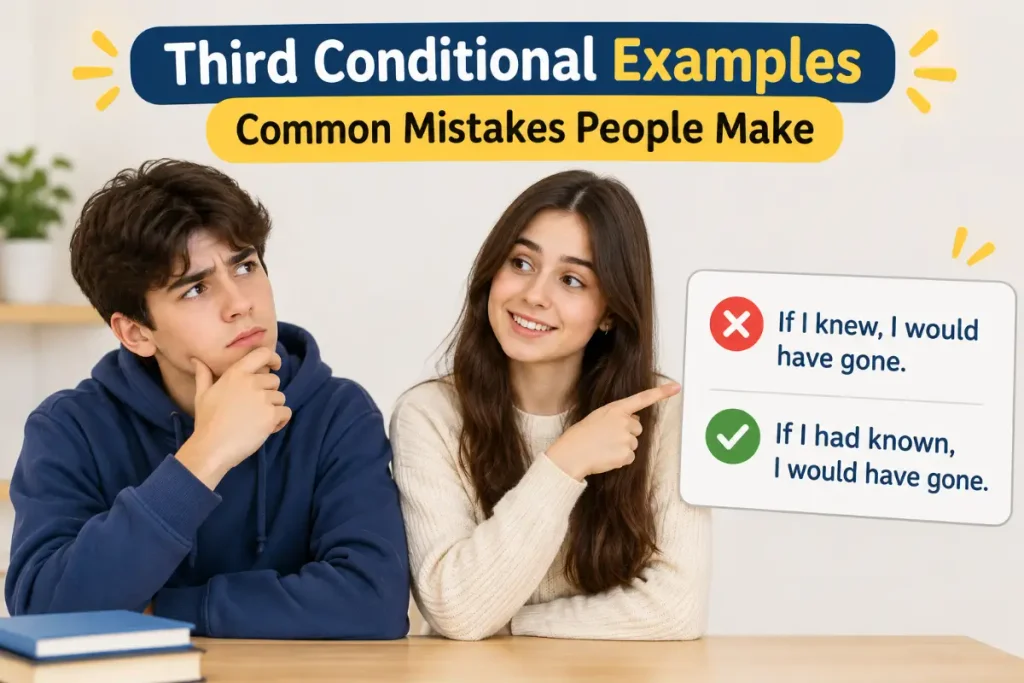
Common Mistakes People Make
Mistake 1: Putting “would have” in the “if” clause. If I would have known, I would have helped. Standard English uses If I had known.
Mistake 2: Using the simple past instead of the past participle. If she had went, she would have seen it. Use had gone.
Mistake 3: Using the simple past in the “if” clause. If I knew, I would have helped. The third conditional needs past perfect: If I had known.
Mistake 4: Using “would” instead of “would have” in the result. If I had known, I would tell you. Correct: I would have told you.
Mistake 5: Forgetting the comma after an opening “if” clause. If we had left earlier we wouldn’t have missed it.
Mistake 6: Mixing up inversion forms. Hadn’t I known is wrong; use Had I not known.
Mistake 7: Using the third conditional for real events. If something actually happened, don’t use the structure. If it rained, we stayed in describes a real habit.
Practice Exercise
Complete each sentence or fix the error. Answers follow.
- If I ___ (know), I ___ (tell) you.
- If she ___ (study), she ___ (pass).
- We ___ (not get) lost if we ___ (take) the map.
- If he ___ (leave) earlier, he ___ (not miss) the train.
- They ___ (win) if they ___ (play) better.
- If it ___ (not rain), we ___ (go) hiking.
- I ___ (call) you if I ___ (have) your number.
- If you ___ (ask), I ___ (help).
- She ___ (be) angry if she ___ (see) the mess.
- If we ___ (not eat) so much, we ___ (feel) better.
- Rewrite with inversion: If I had known, I would have come.
- Fix: If I would have known, I would have helped.
- Fix: If she had went, she would have seen it.
- If they ___ (arrive) on time, they ___ (could/see) the start.
- I might have gotten the job if I ___ (prepare) better.
- Which is third conditional? (a) If I had money, I’d buy it. (b) If I had had money, I would have bought it.
- If he ___ (not forget) his wallet, he ___ (pay) for lunch.
- We ___ (arrive) earlier if there ___ (not be) traffic.
- If you ___ (tell) me, I ___ (not worry).
- Rewrite as third conditional: I didn’t study, so I failed.
Answer Key
- had known / would have told
- had studied / would have passed
- wouldn’t have gotten (got) / had taken
- had left / wouldn’t have missed
- would have won / had played
- hadn’t rained / would have gone
- would have called / had had
- had asked / would have helped
- would have been / had seen
- hadn’t eaten / would have felt
- Had I known, I would have come.
- If I had known, I would have helped.
- If she had gone, she would have seen it.
- had arrived / could have seen
- had prepared
- (b)
- hadn’t forgotten / would have paid
- would have arrived / hadn’t been
- had told / wouldn’t have worried
- If I had studied, I wouldn’t have failed.
Frequently Asked Questions
Is “If I would have known” ever correct?
It’s common in speech, but standard written English avoids “would have” in the “if” clause. Use “If I had known.” You may still hear the “would have” version in casual conversation, especially in American English.
Can the third conditional refer to the present?
Not on its own. When the “if” part is in the past but the result affects the present, you need a mixed conditional. If I had studied medicine, I would be a doctor now is mixed, not third.
What does “had had” mean?
It’s the past perfect of “have” used as a main verb. If I had had more time, I would have finished means “if I had possessed more time.” It looks repetitive but is perfectly correct.
Can I use “unless” in a third conditional?
Generally not. “Unless” means “if not,” and it fits poorly with unreal past situations. Use “if… hadn’t” instead.
Do I always need a comma?
You need one after an opening “if” clause. When the “if” clause comes second, no comma is needed.
How can I tell whether I need the second or third conditional?
Ask whether the imagined situation concerns the present or future (second conditional) or a specific time that has already passed (third conditional).
Before moving on, you may also want to read Present Perfect Continuous Tense Examples: 30+ Real-Life Uses for more helpful grammar tips.
Wrapping Up
These third conditional examples share one idea: a past event that didn’t happen and the imagined result that never followed. Keep the formula “if + past perfect, would have + past participle” in mind, avoid putting “would have” in the “if” clause, and remember that “had” plus a participle is the engine behind everything.
Once you’re comfortable, experiment with the variations: “could have” and “might have” for different degrees of possibility, continuous forms for activities, and the formal “Had I known” for a polished tone. With those tools, you can express regret, relief, criticism, and historical what-ifs with accuracy and style.