
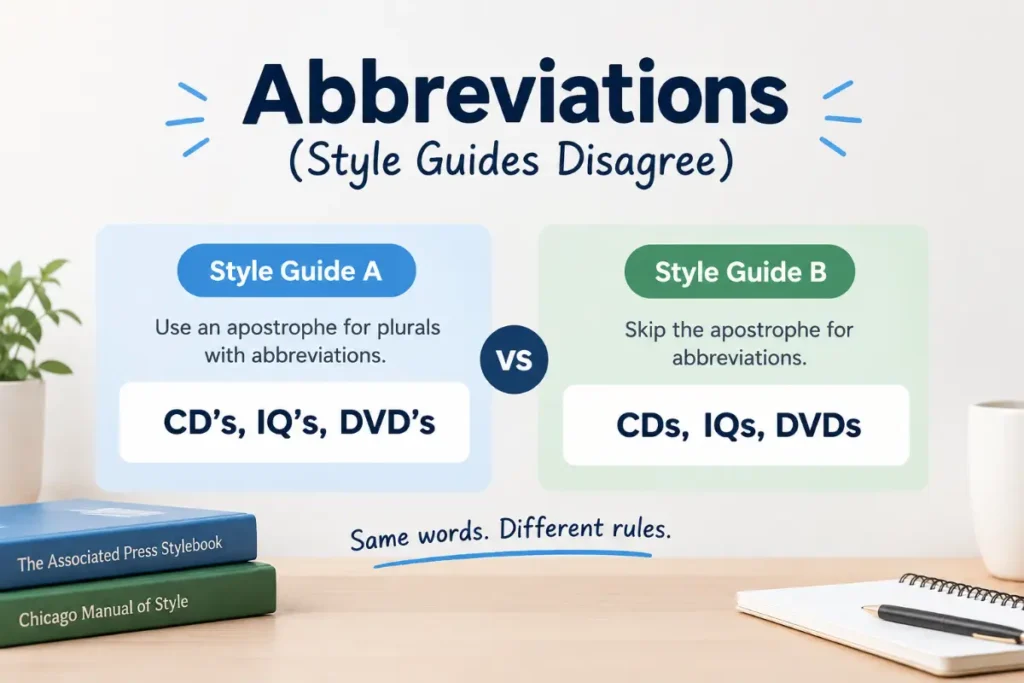
Apostrophe Rules for Plurals: 9 Simple Rules to Get It Right (2026)
Apostrophe Rules for Plurals can be confusing, but the basic rule is simple: most plural nouns don’t need an apostrophe.

Apostrophe Rules for Plurals can be confusing, but the basic rule is simple: most plural nouns don’t need an apostrophe.
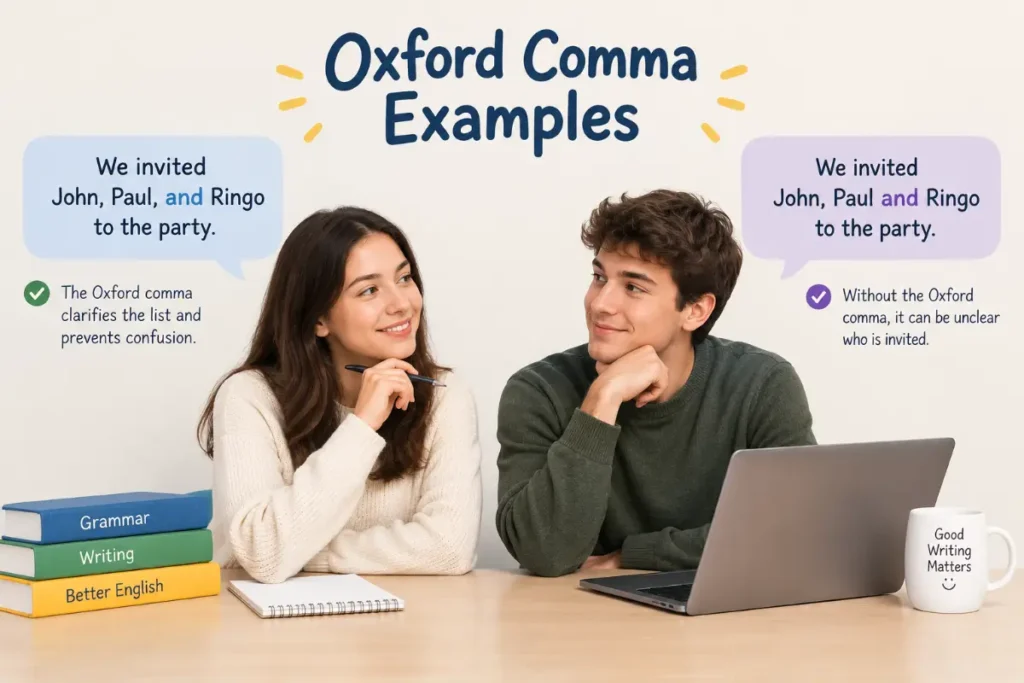
Looking for clear Oxford Comma Examples? See how the Oxford comma works in everyday sentences, when to use it, and
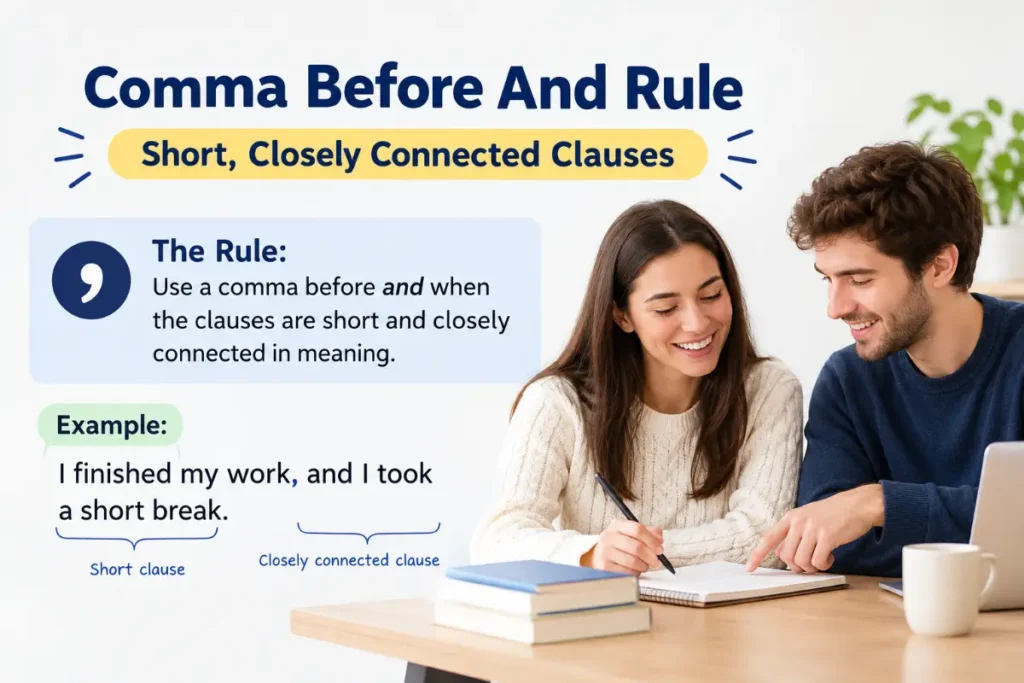
Here’s the thing most people never quite get straight about this rule: whether you need a comma before “and” doesn’t
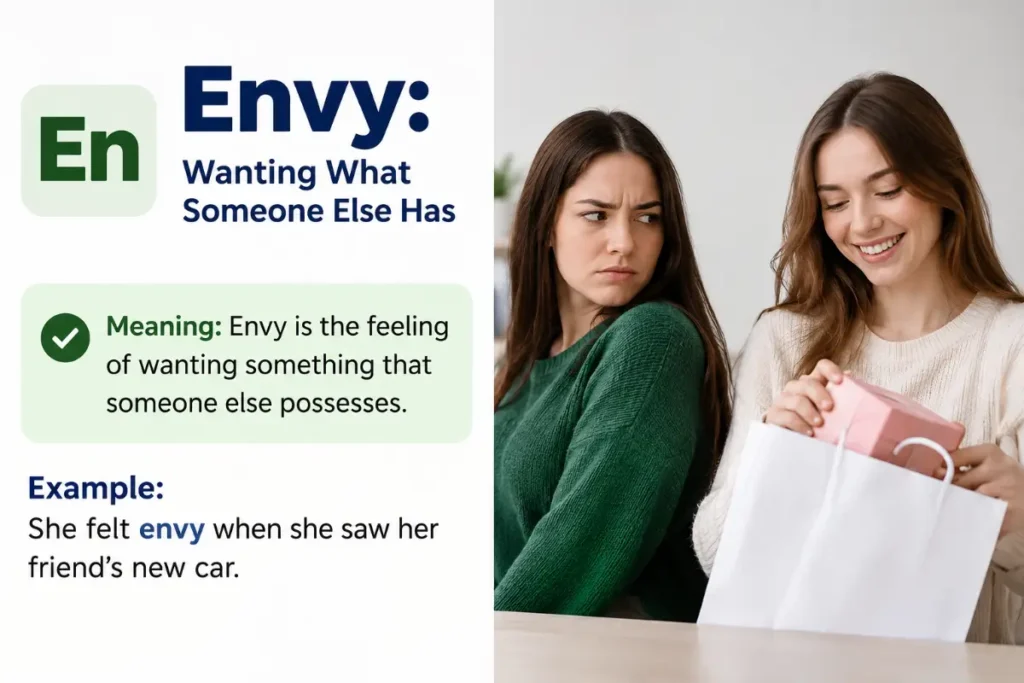
When it comes to Envy vs Jealousy, the distinction isn’t always as clear-cut as grammar guides make it seem. These
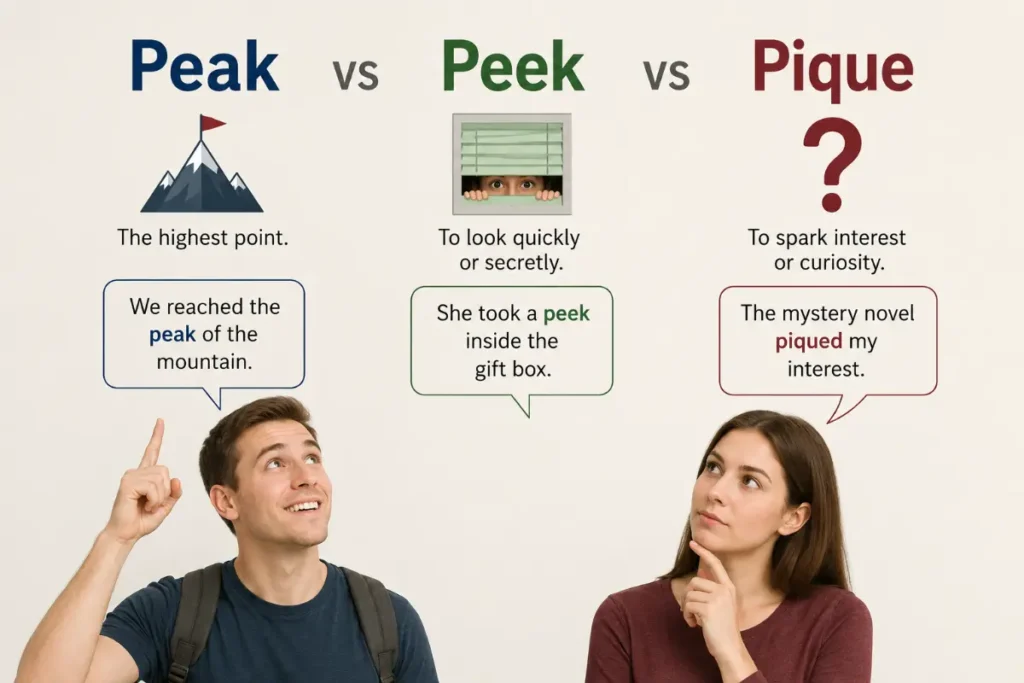
Merriam-Webster frames this trio perfectly: “peek, peak, and pique” sound the same but mean very different things. Peak vs Peek
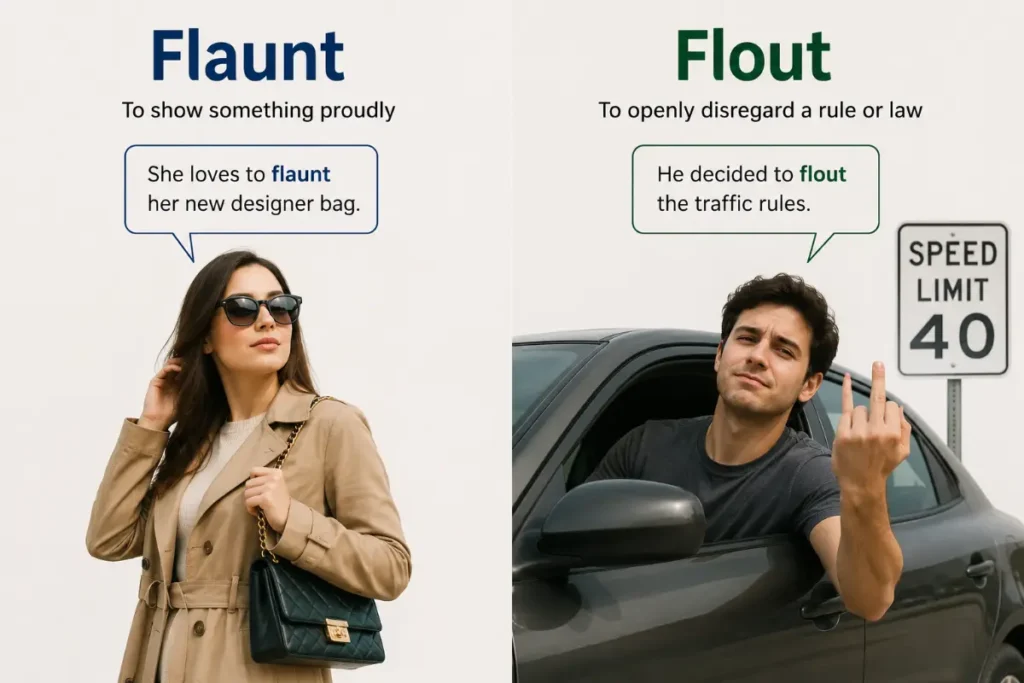
Here’s a genuinely rare situation in English usage: the particular mix-up in Flaunt vs Flout is so widespread that Merriam-Webster
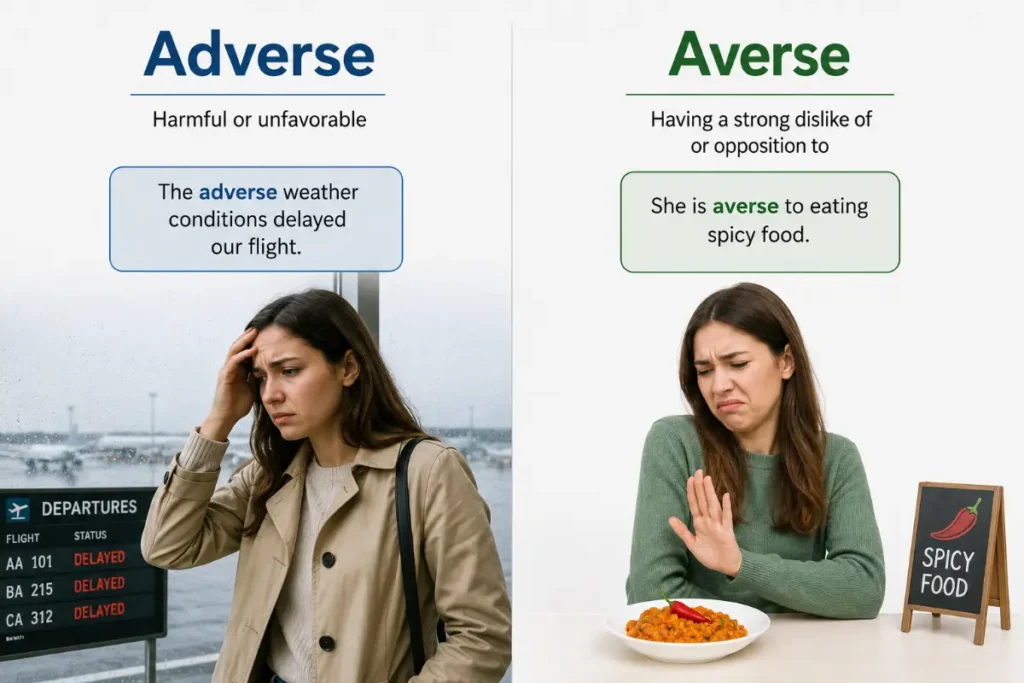
These two words look almost identical — just two letters swapped — and both relate to the general idea of

Merriam-Webster sums this pair up well: “Say them fast — or even slow — in isolation, and no one will
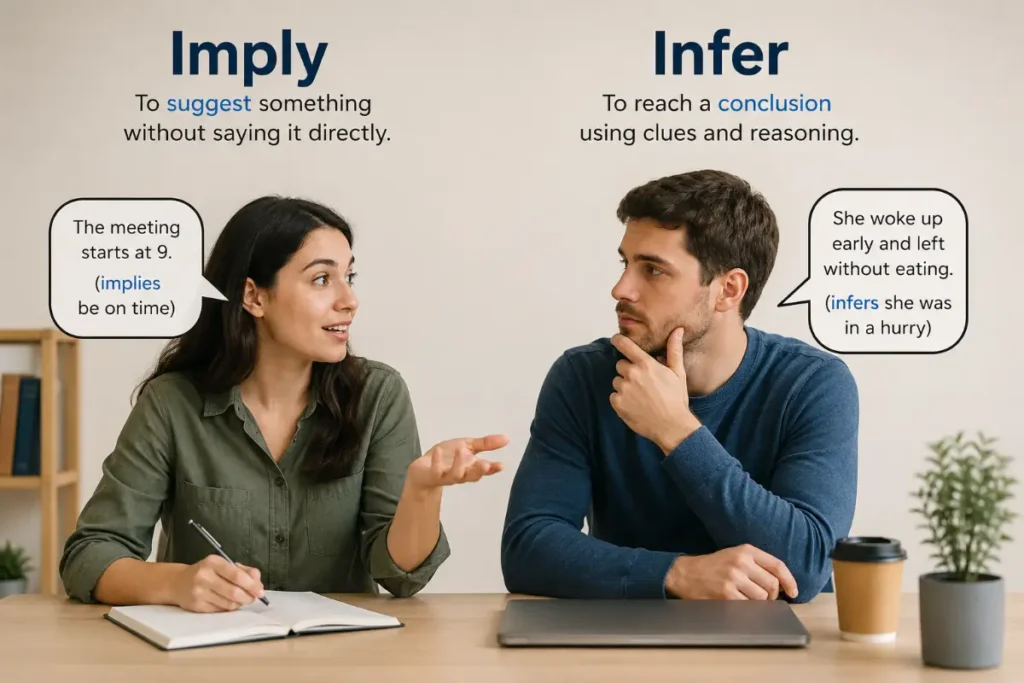
Here’s the cleanest way to think about Imply vs Infer, and it resolves the confusion almost every time: the speaker
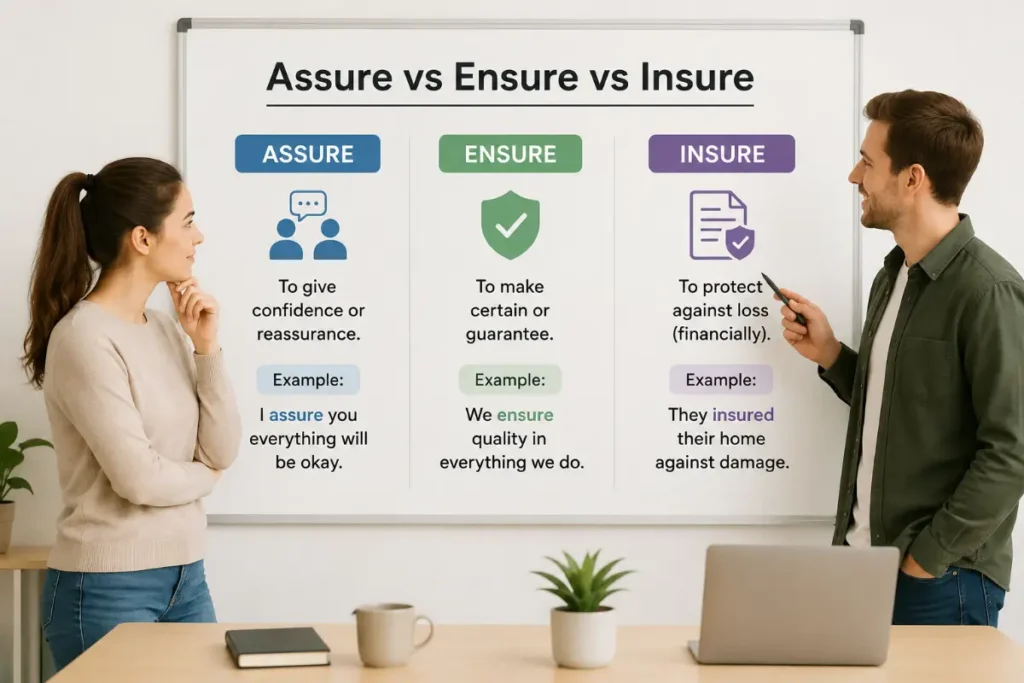
These three words all trace back to the same Latin root, relate to the idea of “making something certain,” and