
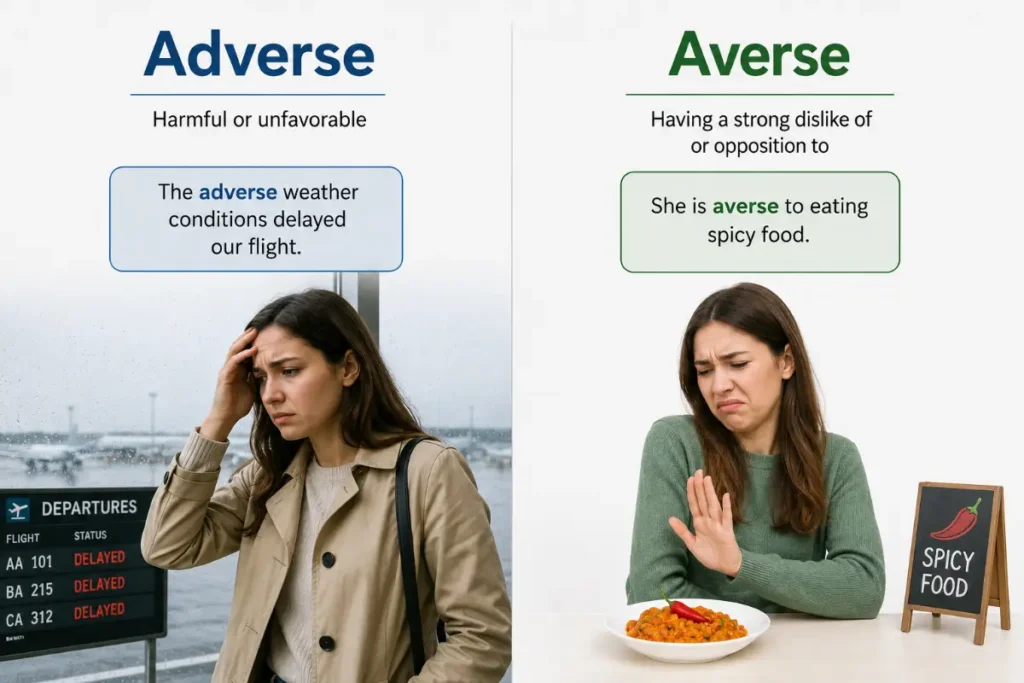
Adverse vs Averse: 5 Common Mistakes to Avoid (2026 Guide)
These two words look almost identical — just two letters swapped — and both relate to the general idea of

These two words look almost identical — just two letters swapped — and both relate to the general idea of

Merriam-Webster sums this pair up well: “Say them fast — or even slow — in isolation, and no one will
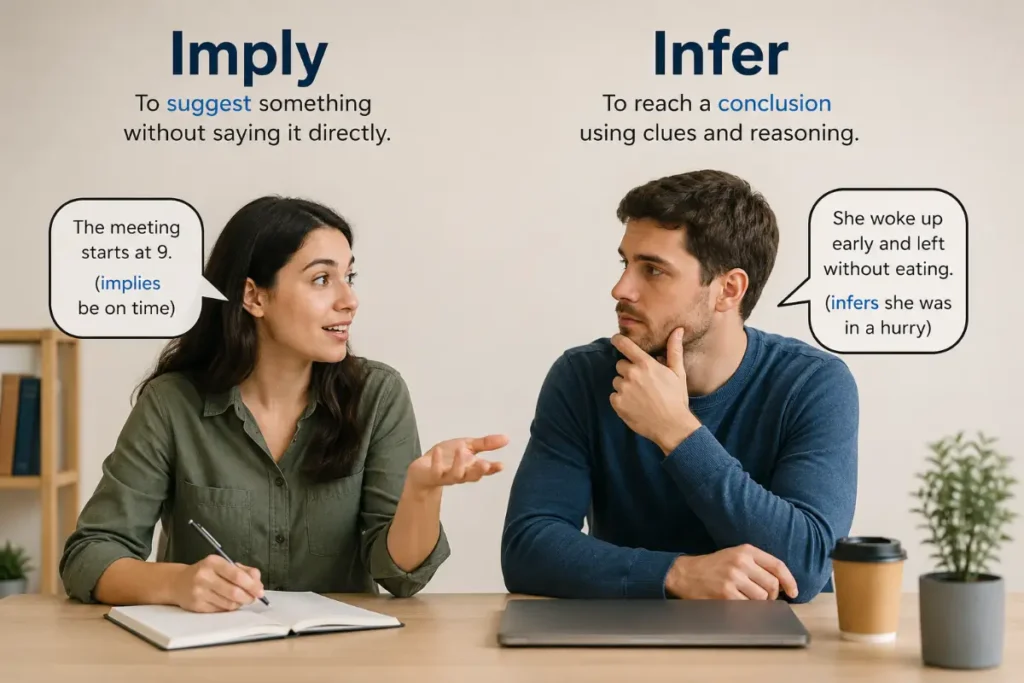
Here’s the cleanest way to think about Imply vs Infer, and it resolves the confusion almost every time: the speaker
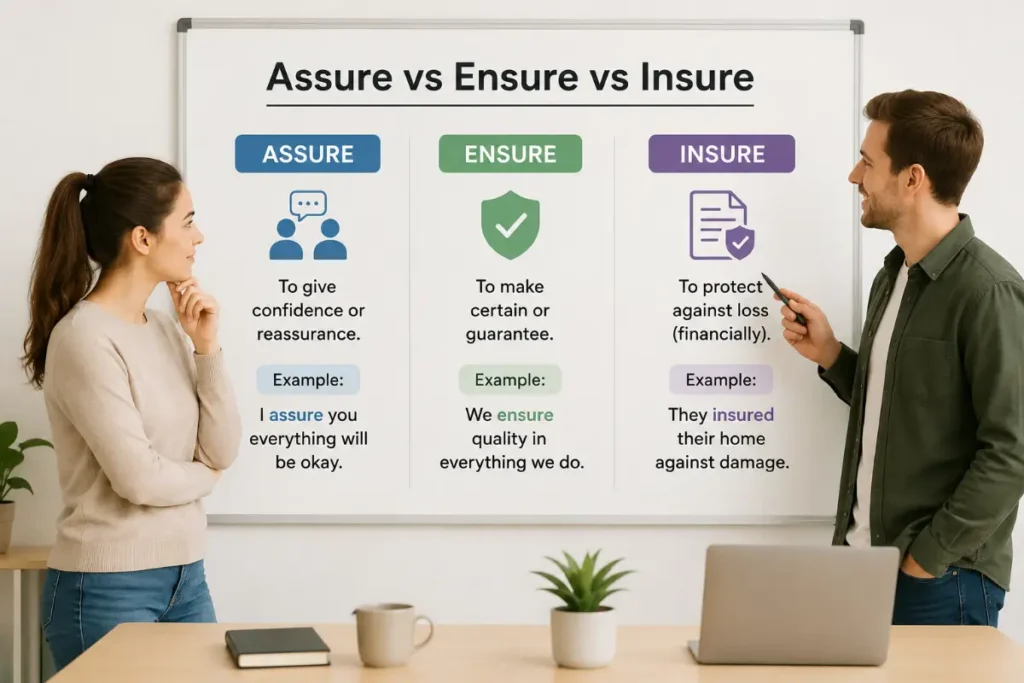
These three words all trace back to the same Latin root, relate to the idea of “making something certain,” and
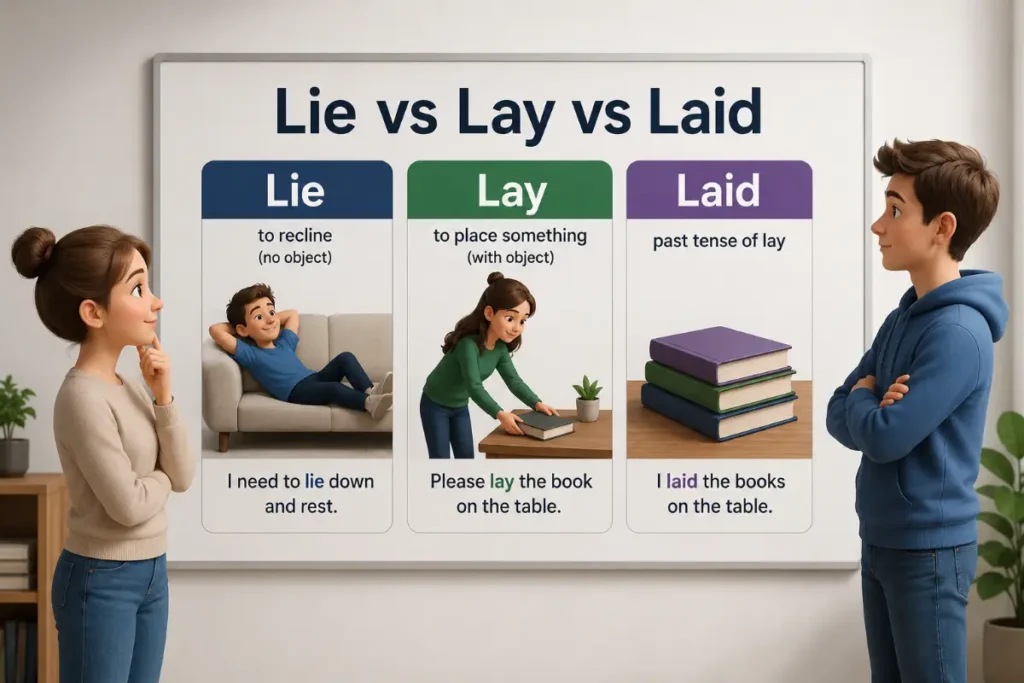
If you’ve got the present tense of Lie vs Lay vs Laid under control but still freeze up when you
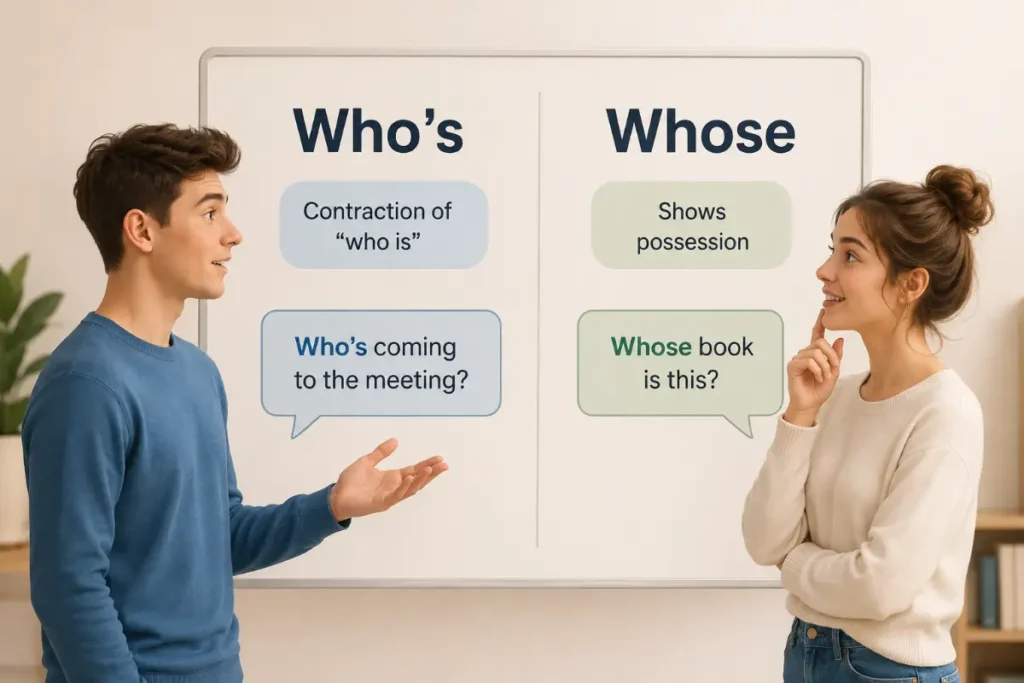
If you’ve already mastered its and it’s, you’ll find who’s vs whose almost suspiciously familiar because it follows the same

These two words are true homophones—pronounced exactly the same way—and they even share the same Latin ancestor, which is why
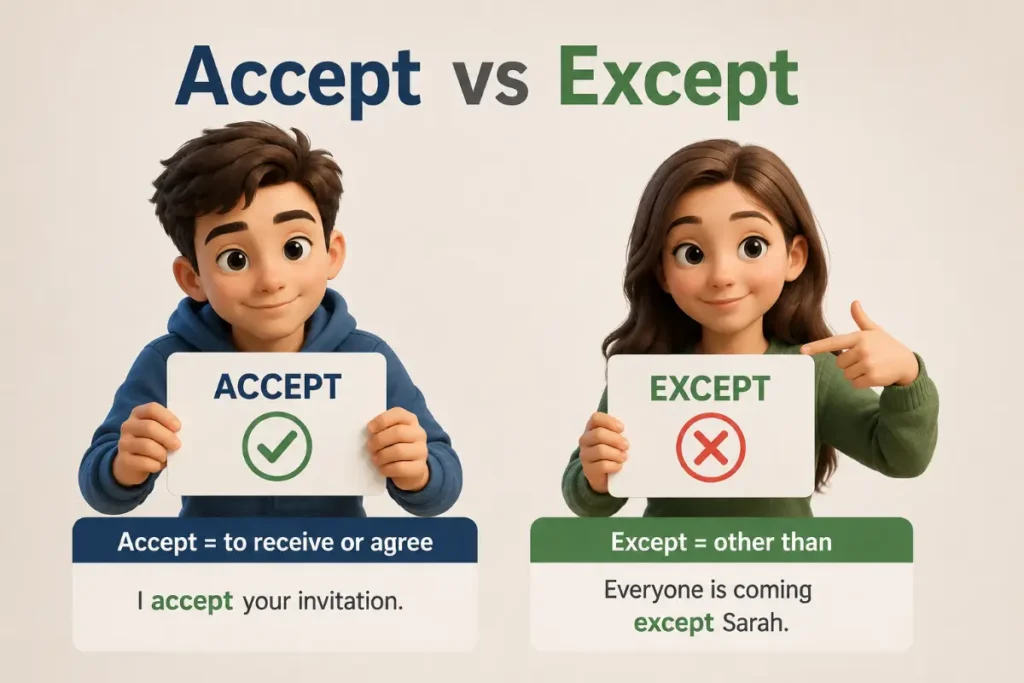
These two words sound almost identical in fast, casual speech, which is exactly why they get swapped so often. Accept
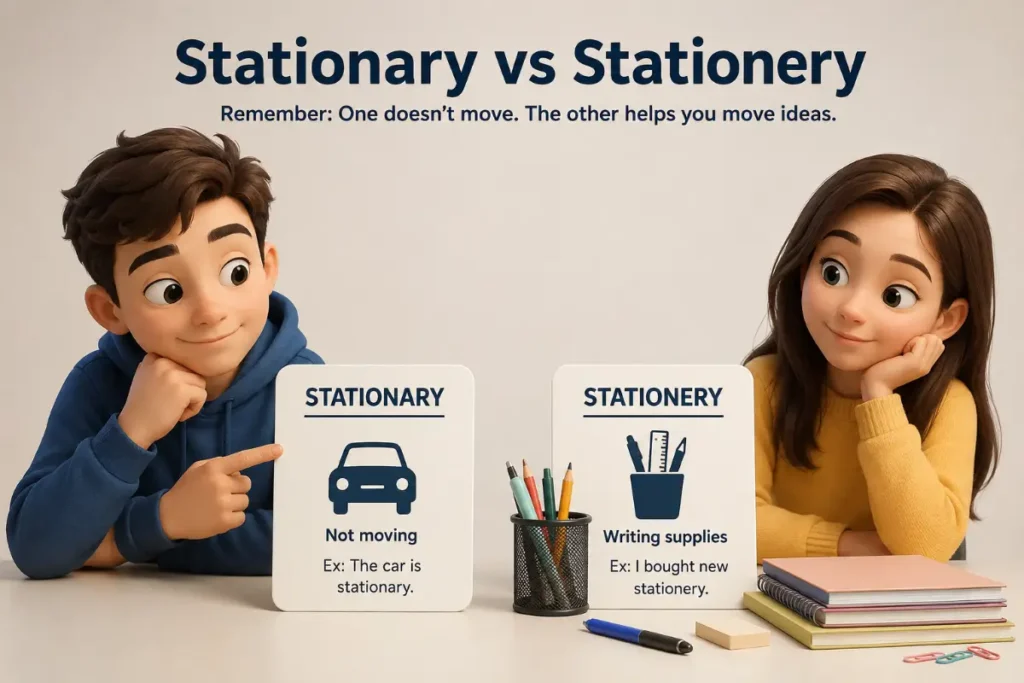
These two words are perfect homophones—they sound exactly the same when spoken—but they mean completely different things and fit different
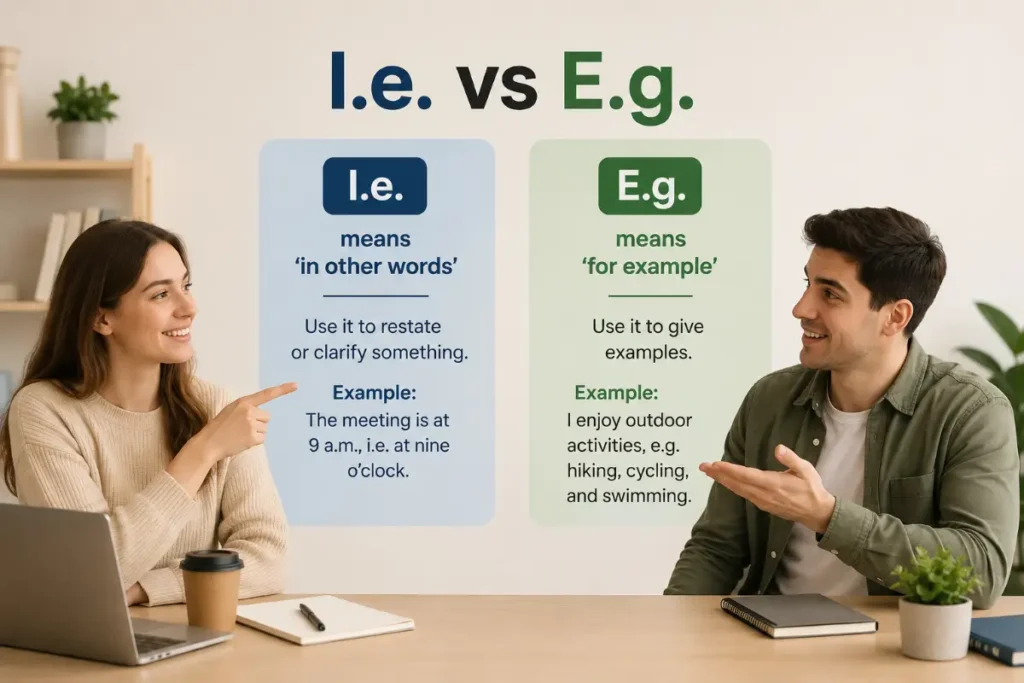
These two little abbreviations show up constantly in professional writing, and I.e. vs E.g. get swapped so often that plenty